Chapter 6: Excelling in the Road Test
This is the final hurdle. The single most important element is your constant and correct application of the K53 observation cycle.
6.1 The K53 Observation Cycle
For any action (turning, changing lanes), follow the sequence:
- Check Rear-view Mirror
- Check Side Mirror (direction of travel)
- Signal (3-4 flashes minimum)
- Check Side Mirror Again
- Check Blind Spot (Head turn)
- Manoeuvre

6.2 Executing Turns at Intersections
Check mirrors early. Signal. Position in the correct lane. Brake smoothly and select gear (usually 2nd) before the turn. Check the new road for pedestrians before turning the wheel.
6.3 Changing Lanes Safely
Perform the full observation sequence (including blind spot) before steering. Steer gently into the new lane. Do not slow down unnecessarily.
6.4 Navigating Traffic Circles (Roundabouts)
- Turning Left (1st Exit): Approach in left lane, signal left.
- Going Straight (2nd Exit): Approach in left lane, no signal on entry. Signal left after passing the 1st exit.
- Turning Right (3rd Exit): Approach in right lane, signal right.

6.5 Stopping Procedures
Normal Stop: Check mirrors, brake smoothly, clutch in before stop, secure vehicle (Neutral, Handbrake).
Emergency Stop: Brake firmly immediately. Keep both hands on wheel. Do NOT check mirrors first. Secure after stopping.
6.6 Critical Errors: Immediate Fail Items
Committing any one of these results in immediate failure:
- Exceeding the speed limit.
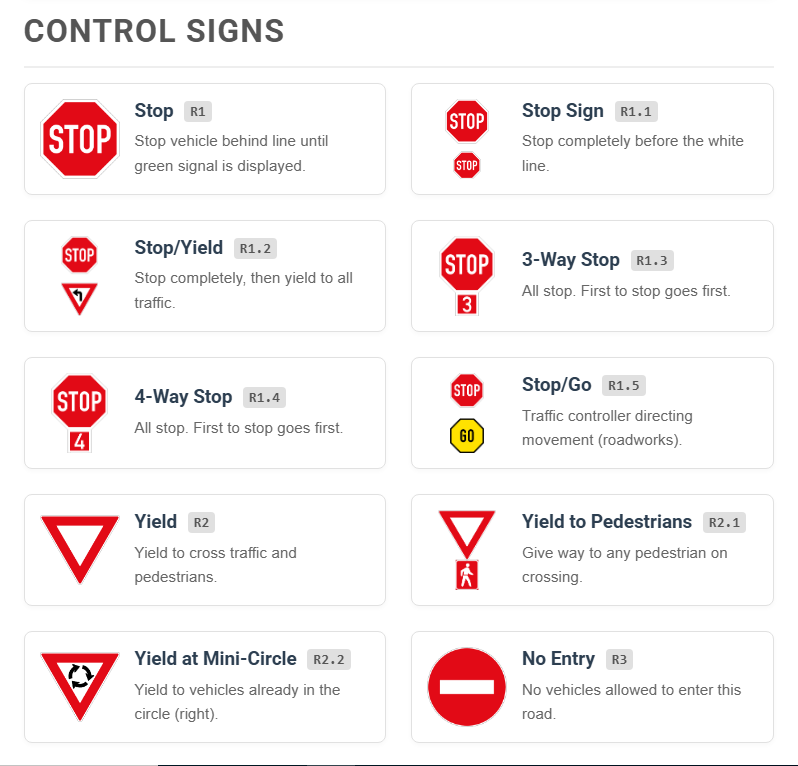
- Failing to stop completely at a Stop sign.
- Rolling back on an incline (>10cm).
- Mounting a kerb.
- Causing another vehicle to take evasive action.
- Failing to give way to pedestrians.
- The examiner having to use the dual controls.